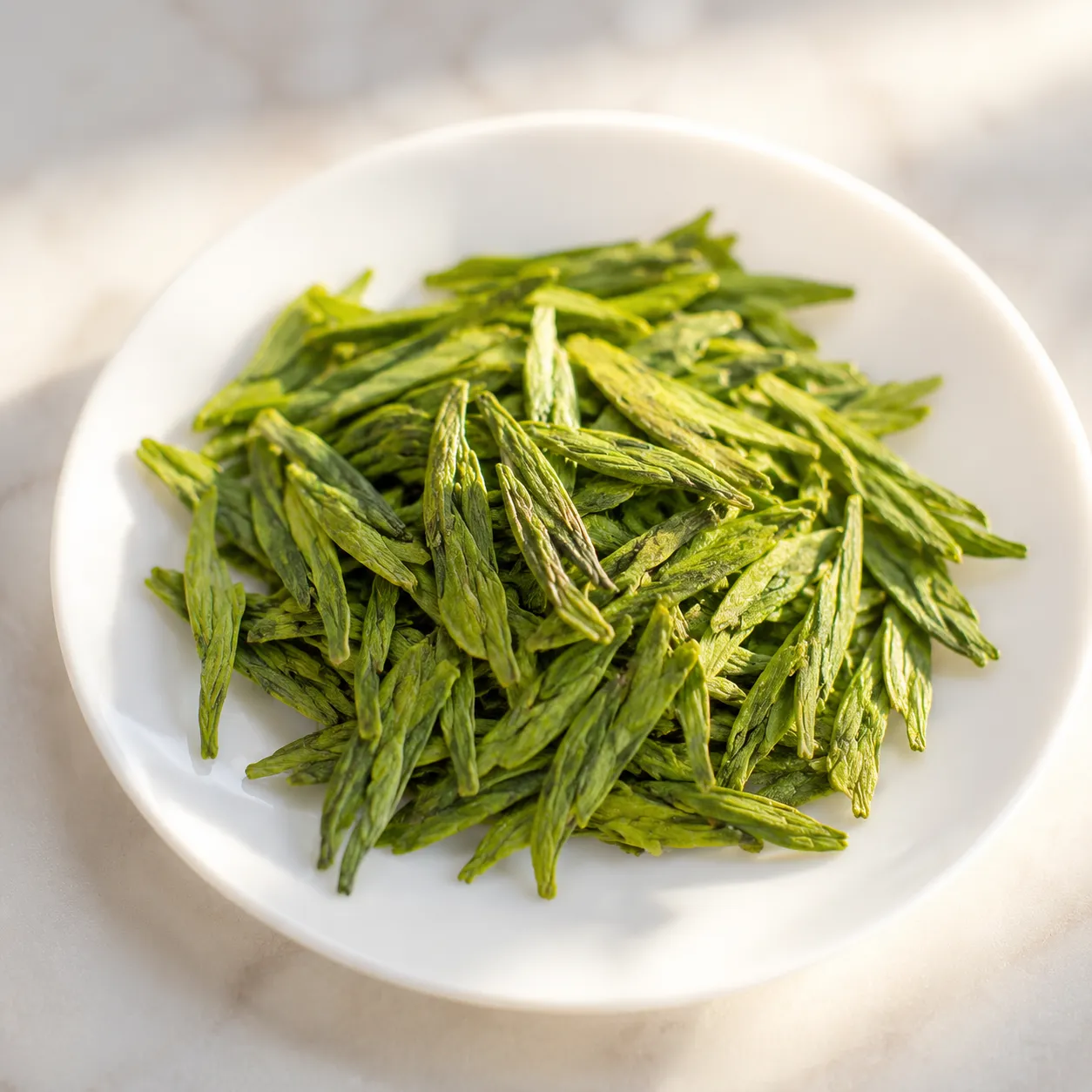
Green Tea 绿茶 lǜ chá
Leaves are pan-fired or oven-dried immediately after picking to halt oxidation, preserving their green color and fresh character. The most a…
The Defining Process
How Green Tea Is Made
Fixing
杀青 — shā qīng — 'kill-green'
Green tea is defined by one step: fixing — applying heat to the freshly picked leaf within hours of harvest to deactivate the enzymes that drive oxidation. Do it early enough and the leaf stays green, the fresh character is preserved, and you get what most people picture when they think of Chinese tea. How the leaf is fixed matters enormously: Chinese greens are pan-fired — tumbled in a hot wok or drum — which produces a toasted, nutty character, while Japanese greens are steamed, preserving more vegetal, grassy notes. Same plant, same step, different method, completely different cup. Dragon Well is the classic pan-fired Chinese green: flat leaves, chestnut sweetness, a little roast.
Oxidation
0% (unoxidized)
Caffeine
Medium
Brew Temp
160-175°F
Typical Price
$5-40 / 100g
Straight Answers
Common Green Misconceptions
Green tea isn't green by accident — it is deliberately killed-green within hours of picking. Skip the fix and the same leaf keeps oxidizing into black tea.
Boiling water destroys green tea. The delicate leaves want 160-175°F, not 212°F — a kettle that holds temperature matters more than the leaf grade for the first few brews.
Green tea is the most time-sensitive type in the whole category — it's fresh produce, not a pantry staple. Drink within 6-12 months of harvest.
The one-liner: Fixed early; pan-fired Chinese styles are toasted and nutty, steamed Japanese styles are vegetal.
8 Famous Green Teas
Our Green Tea Guides
Click any tea for its full page — flavor profile, exact brewing parameters, buying tips, and common scams.
 Green
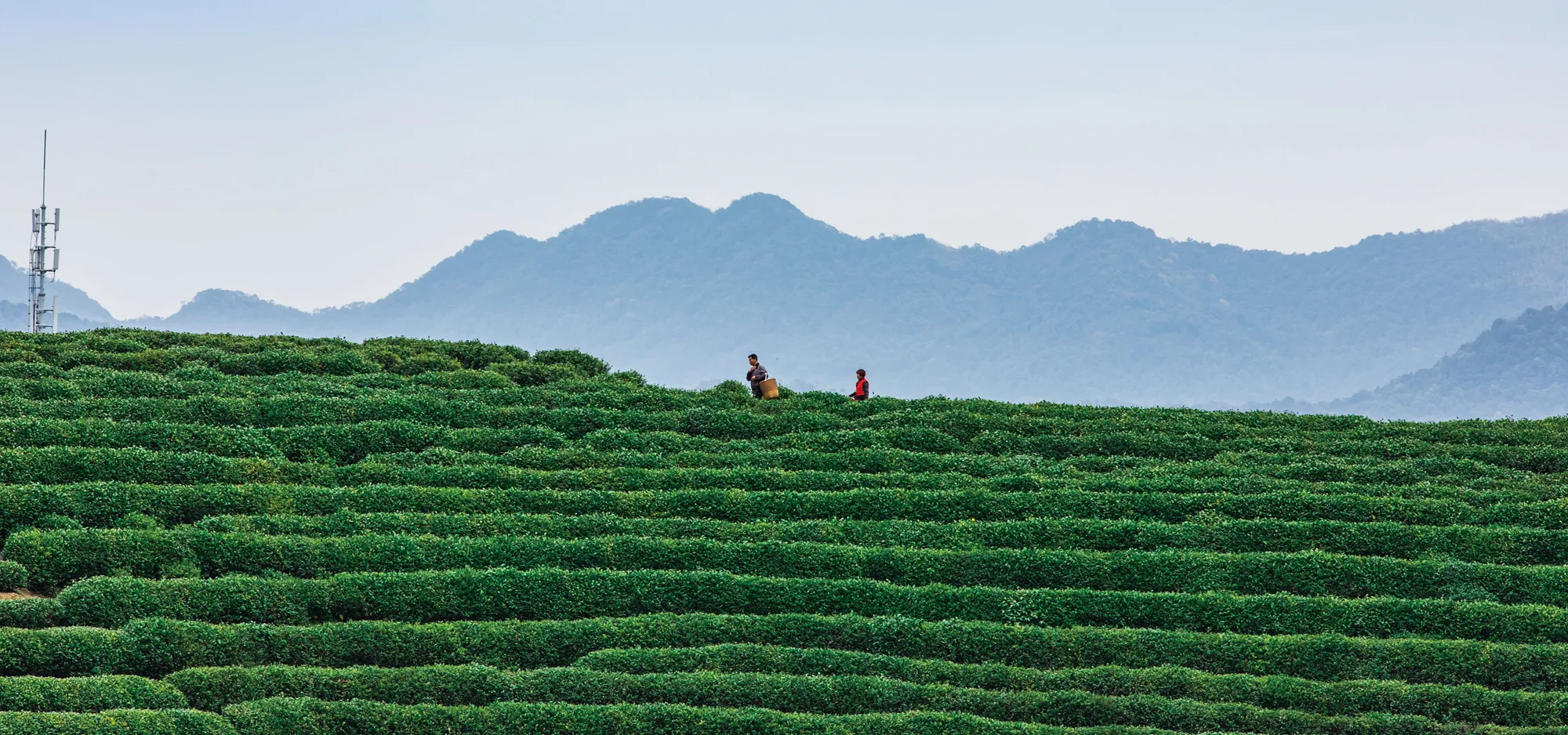
GreenLongjing (Dragon Well) 龙井
Xihu, Hangzhou, Zhejiang
Fresh, nutty, chestnut, sweet finish
Full guide + buying tips
 Green
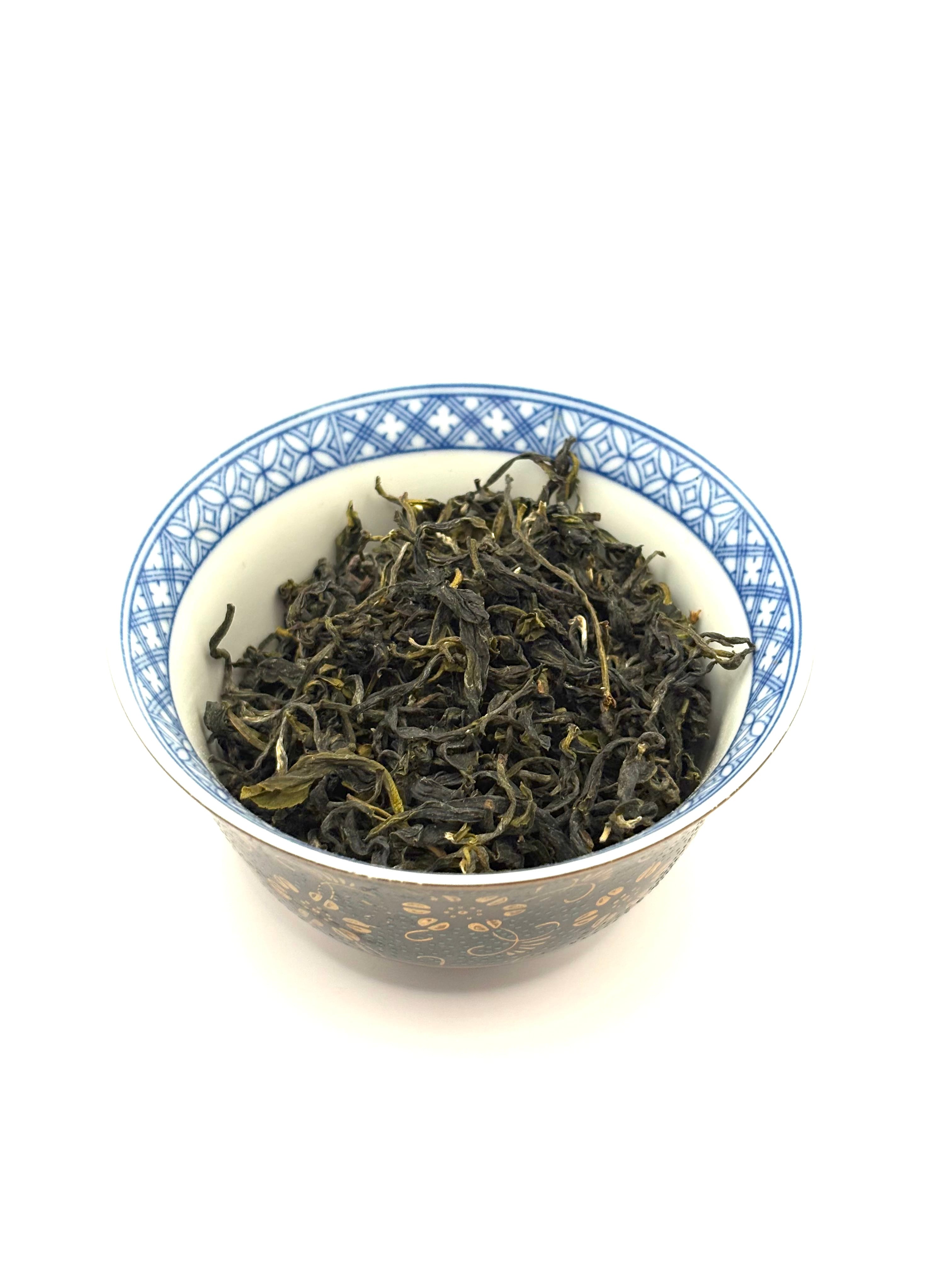
GreenBiluochun 碧螺春
Dongting Mountain, Suzhou, Jiangsu
Fruity, floral, delicate, apricot
Full guide + buying tips
 Green
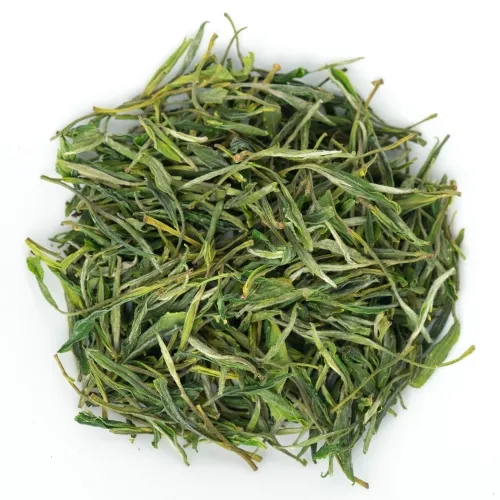
GreenHuangshan Maofeng 黄山毛峰
Huangshan (Yellow Mountain), Anhui
Fresh, orchid, sweet, lingering
Full guide + buying tips
 Green
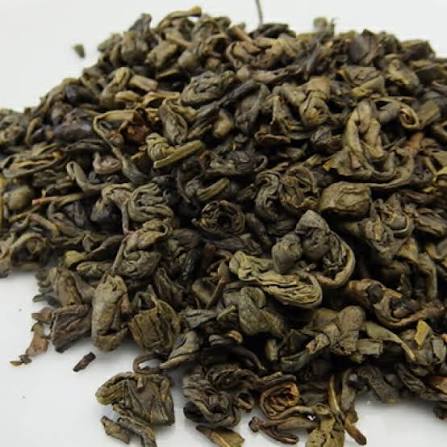
GreenGunpowder Green (Zhu Cha) 珠茶
Zhejiang (primarily Pingshui region)
Bold, smoky, vegetal, assertive
Full guide + buying tips
 Green
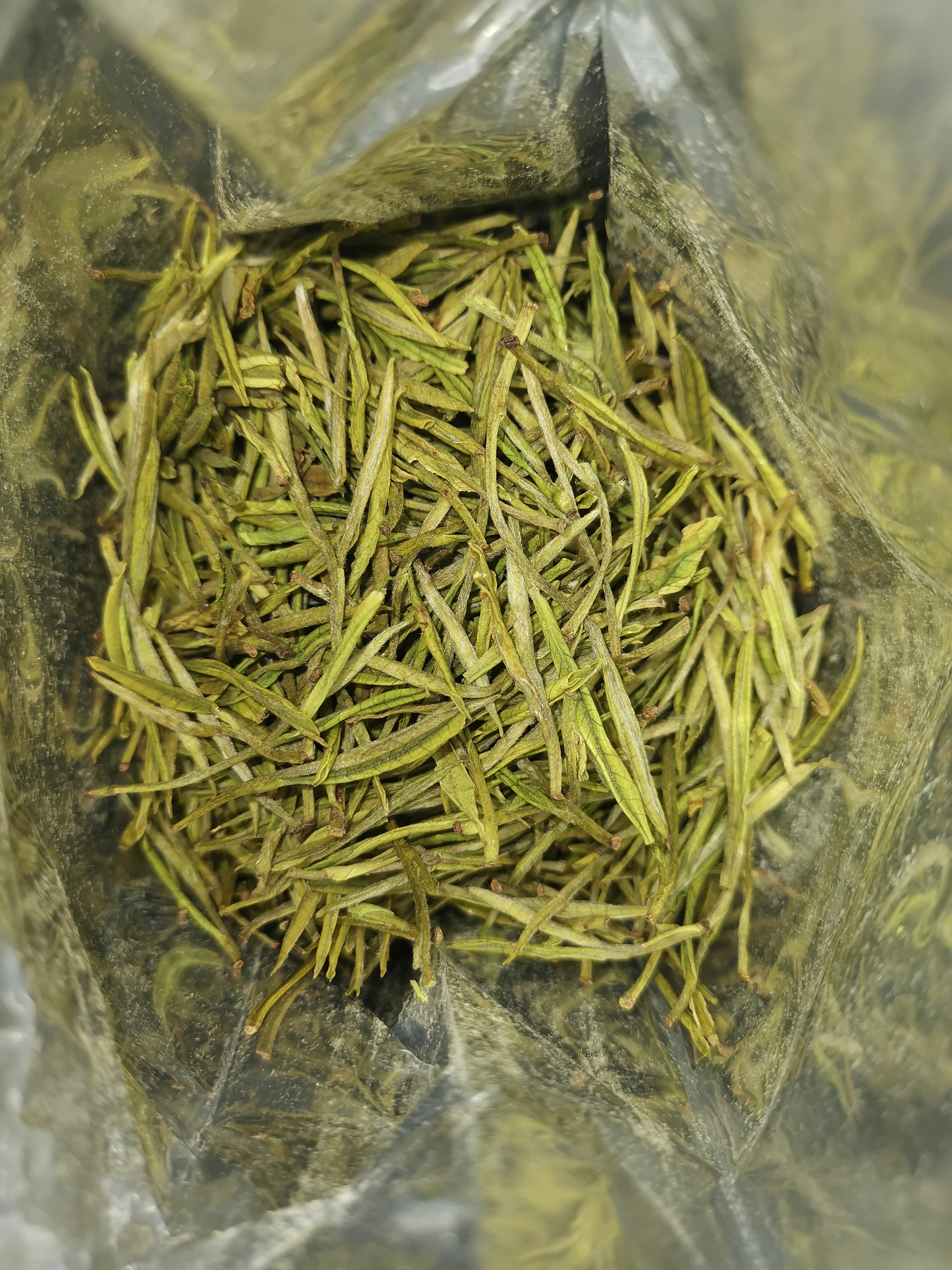
GreenAnji Bai Cha 安吉白茶
Anji County, Zhejiang
Delicate, sweet, umami, extraordinary smoothness
Full guide + buying tips
 Green
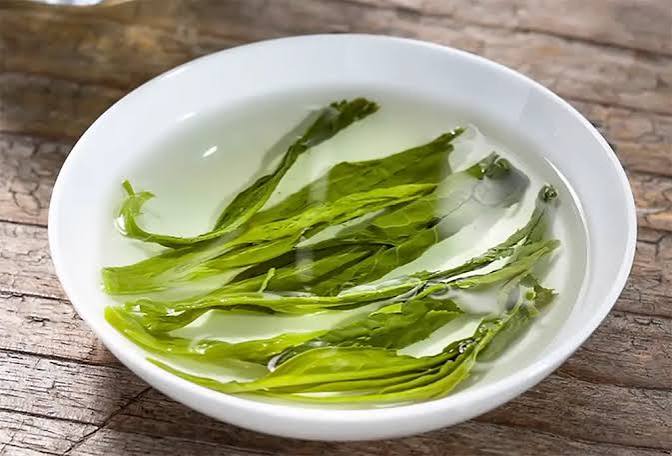
GreenTaiping Houkui (Monkey Chief) 太平猴魁
Taiping County, Huangshan, Anhui
Fresh, orchid, sweet, thick and full-bodied
Full guide + buying tips
 Green
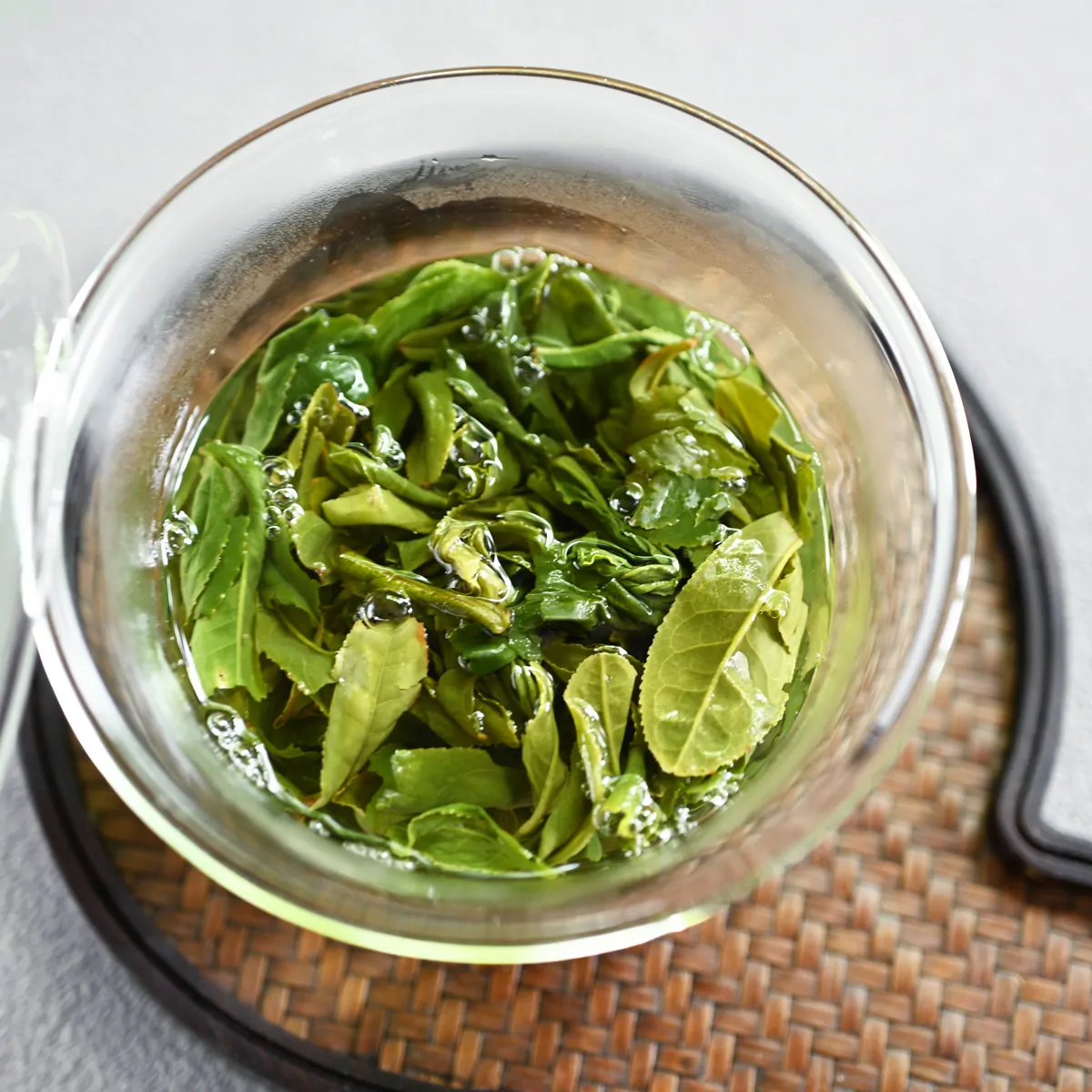
GreenLiu'an Guapian (Melon Seed) 六安瓜片
Liu'an, Anhui
Toasty, nutty, slightly smoky, sweet
Full guide + buying tips
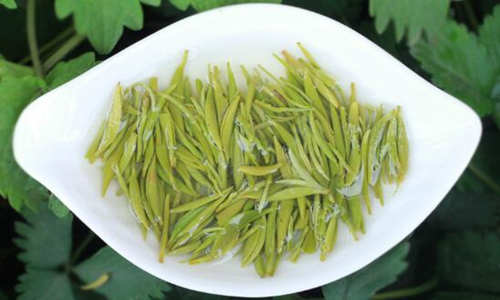 Green
GreenXinyang Maojian (Fur Peak) 信阳毛尖
Xinyang, Henan
Fresh, floral, sweet, light and brisk
Full guide + buying tips
Keep Exploring
The Other Five Types
Ready to Drink Better Tea?
From your first cup to your tenth infusions — everything here moves you from curiosity to a better cup.
Related Searches